

Moving into a new home in Aura comes with a long list of jobs. Blinds, landscaping, the letterbox. Security tends to slip down the list until the first warm night, when you want the windows open and the back door letting the breeze through, and you realise the only thing between your family and outside is a flyscreen.
This guide walks through your home one opening at a time, so you can work out what each door and window needs for your home to feel safe and secure. It's written for homes across Aura, including Baringa, Banya and Nirimba, and neighbouring Caloundra West.
In short: for most homes, the openings that matter are the front entry, the alfresco slider or stacker, the laundry or side door, and any window you want to leave open, especially bedrooms. Upstairs bedroom windows may also need fall prevention under the National Construction Code. A whole-home package covers every opening and costs less per screen than buying one-off security doors or window screens.
Flyscreens and security screens do different jobs
Most new homes are handed over with flyscreens on the doors and windows. They keep insects out, and they do that job well. What they are not built to do is resist force. A flyscreen can be pushed in or cut through with very little effort.
A security screen is a different product. The mesh, the frame, the locks and the way the screen is fixed to your home work together as one system, and that system is certified to the Australian Standard for security screens, AS 5039. For the full breakdown, read what security screens are and how they work.
Start with the doors you use every day
The front entry
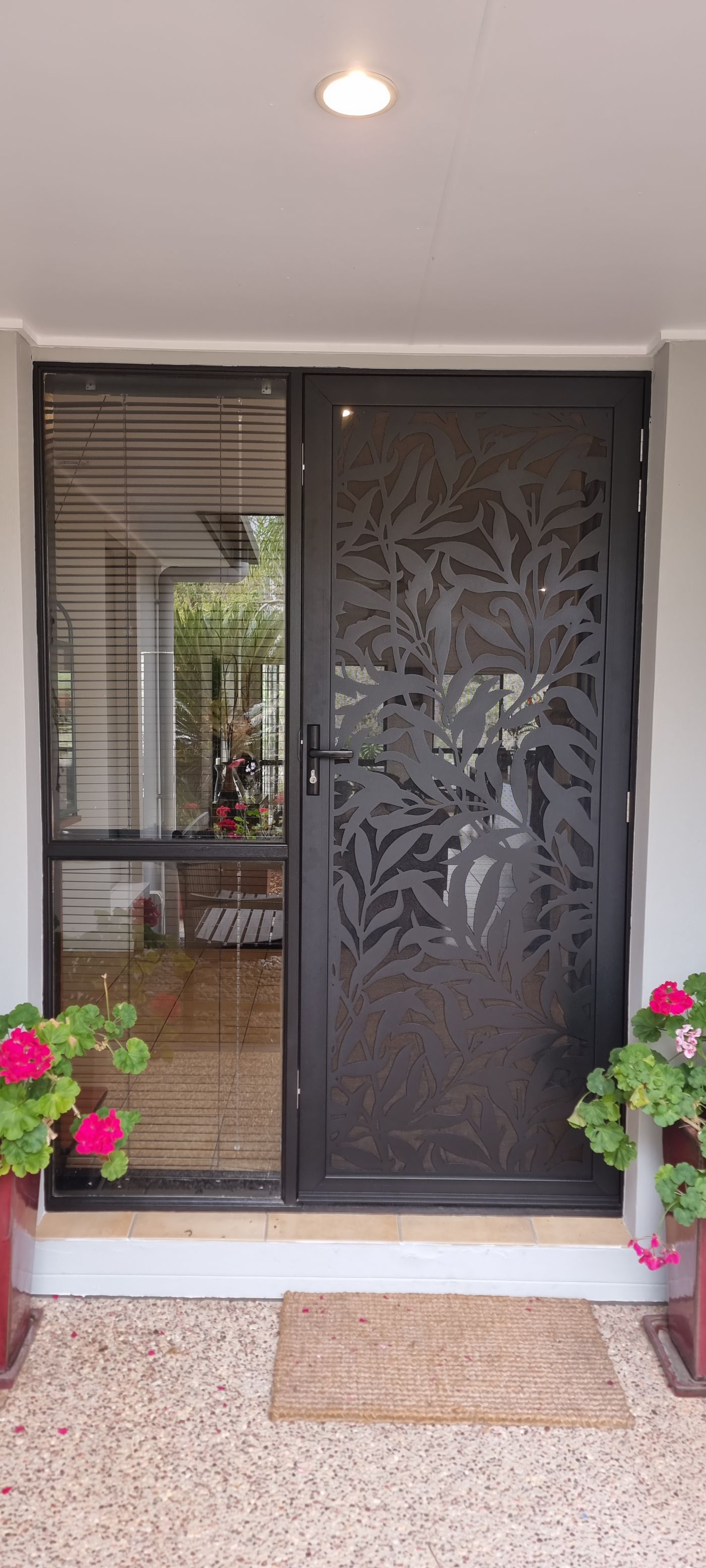
The front door is the opening most people think of first, and for good reason. A hinged security door lets you leave the main door open for airflow and talk to someone at the door without opening it, while the entry stays locked.
The alfresco slider or stacker
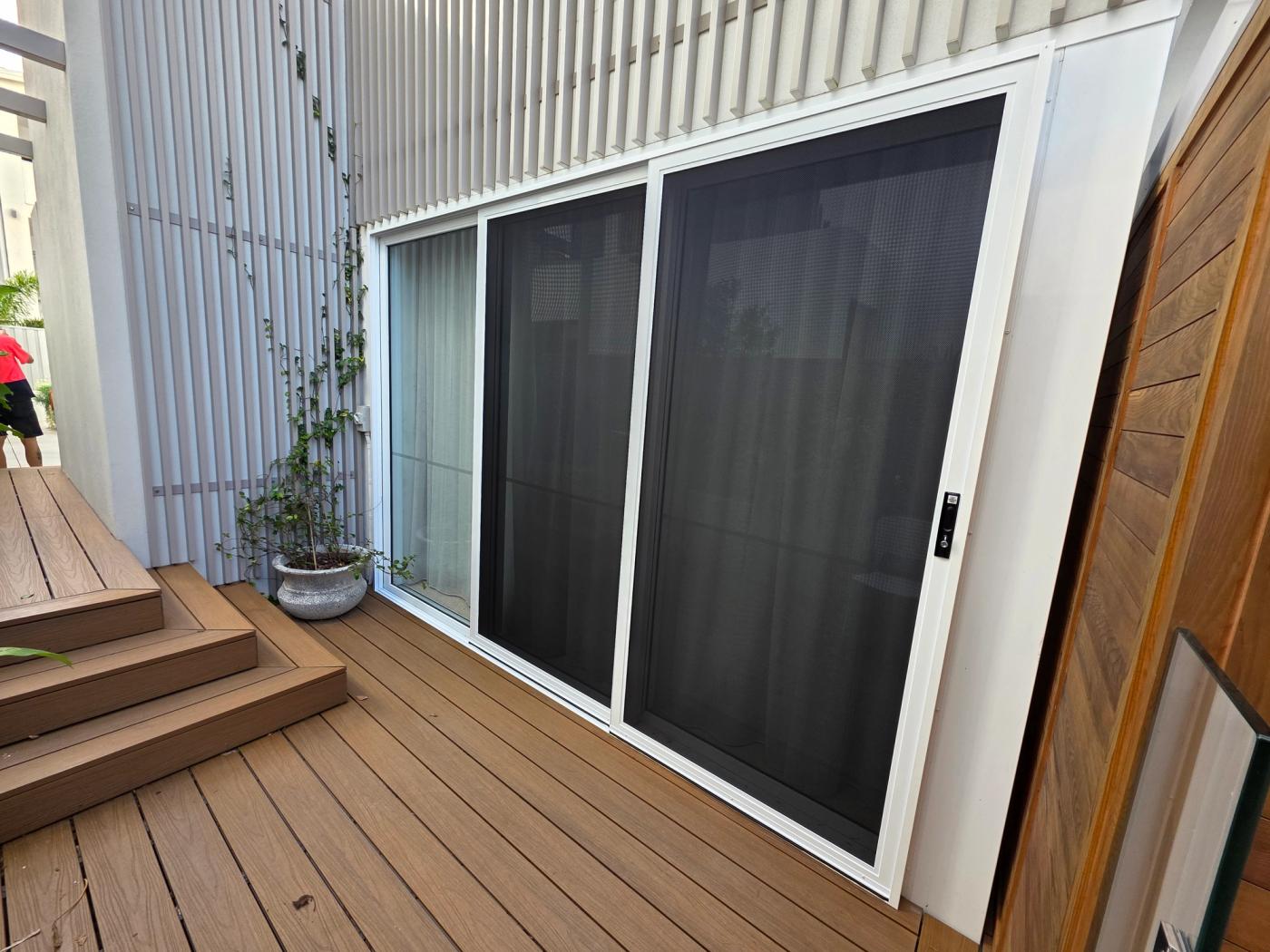
In most Aura homes, this is the door that stays open the longest. It's where the kids run in and out and where the afternoon breeze comes through. A sliding or stacker security door means you can open the house up to the backyard without leaving it open to anyone else. If you only need insect screening on a wide opening, see our guide to retractable screens.
Laundry and side doors
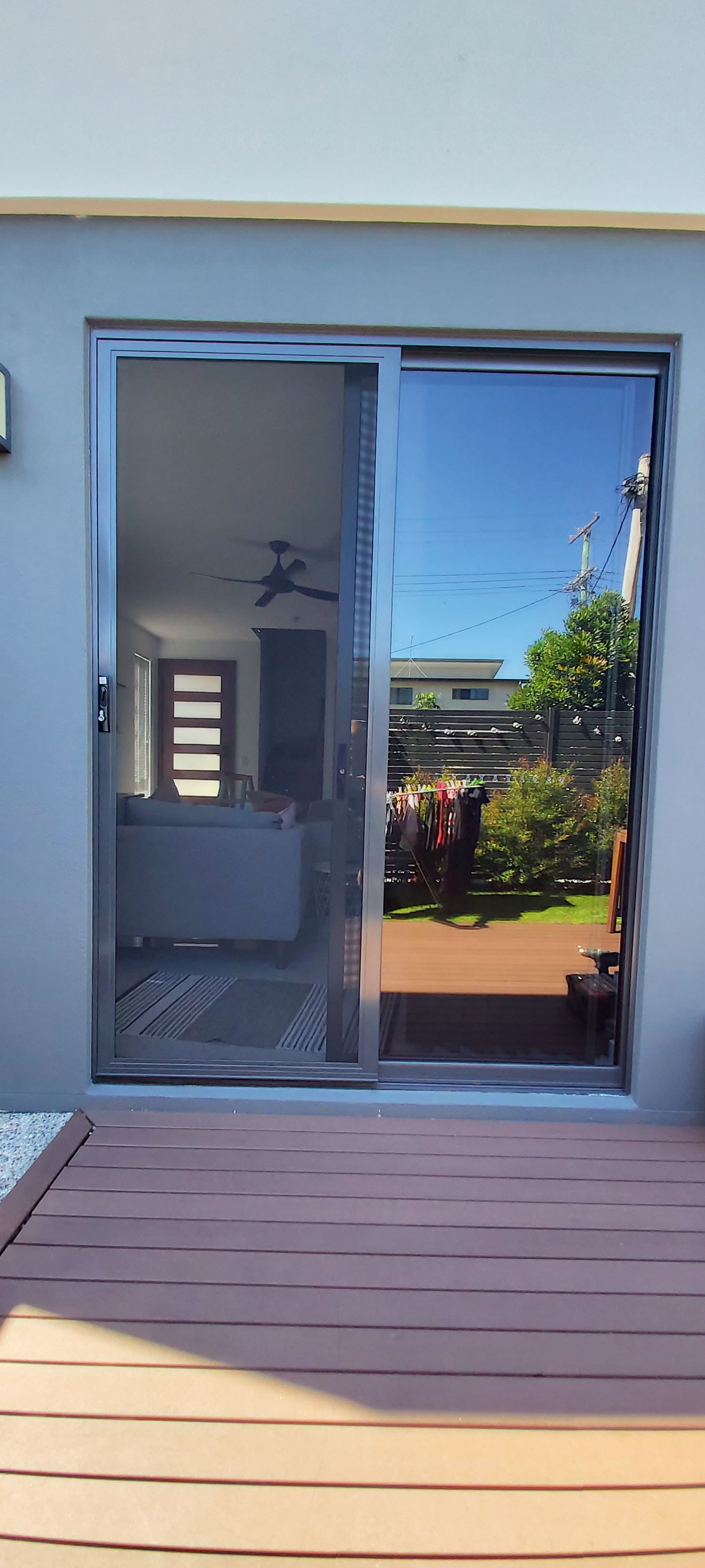
These are easy to forget and often out of sight from the street. If the front and back doors are screened but the laundry door is still on a flyscreen, that becomes the easiest way in.
Then the windows
Bedrooms
Bedroom windows are where security screens change how you live. Sleeping with the windows open on a warm night, knowing they're protected, is the whole point for a lot of families. Security window screens are fixed across the window, so it opens as normal behind them.
For bedrooms, ask about emergency-release options. The screen stays secure from outside but can be opened from inside if you ever need to get out quickly.
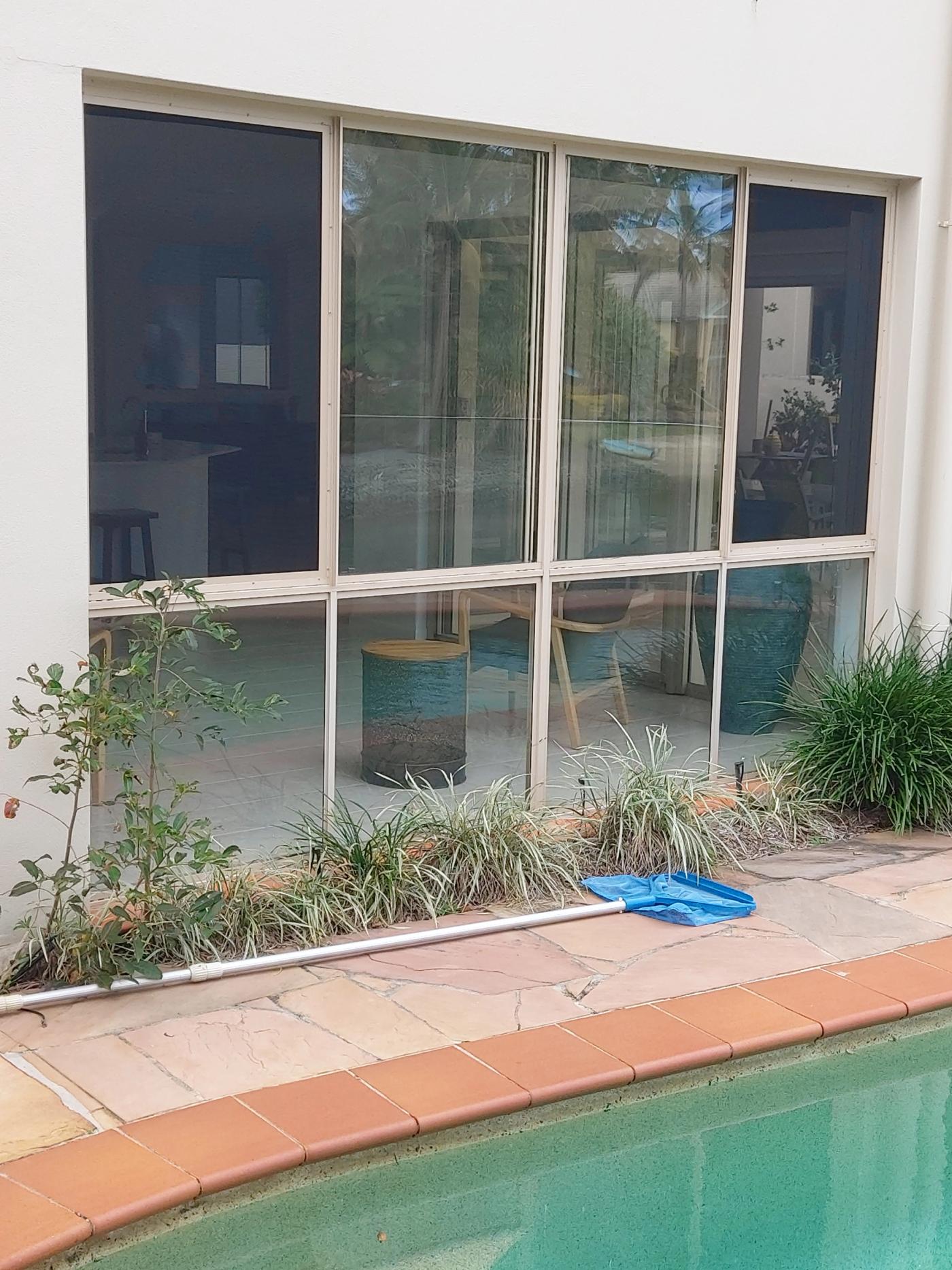
Living areas and windows you can reach from outside
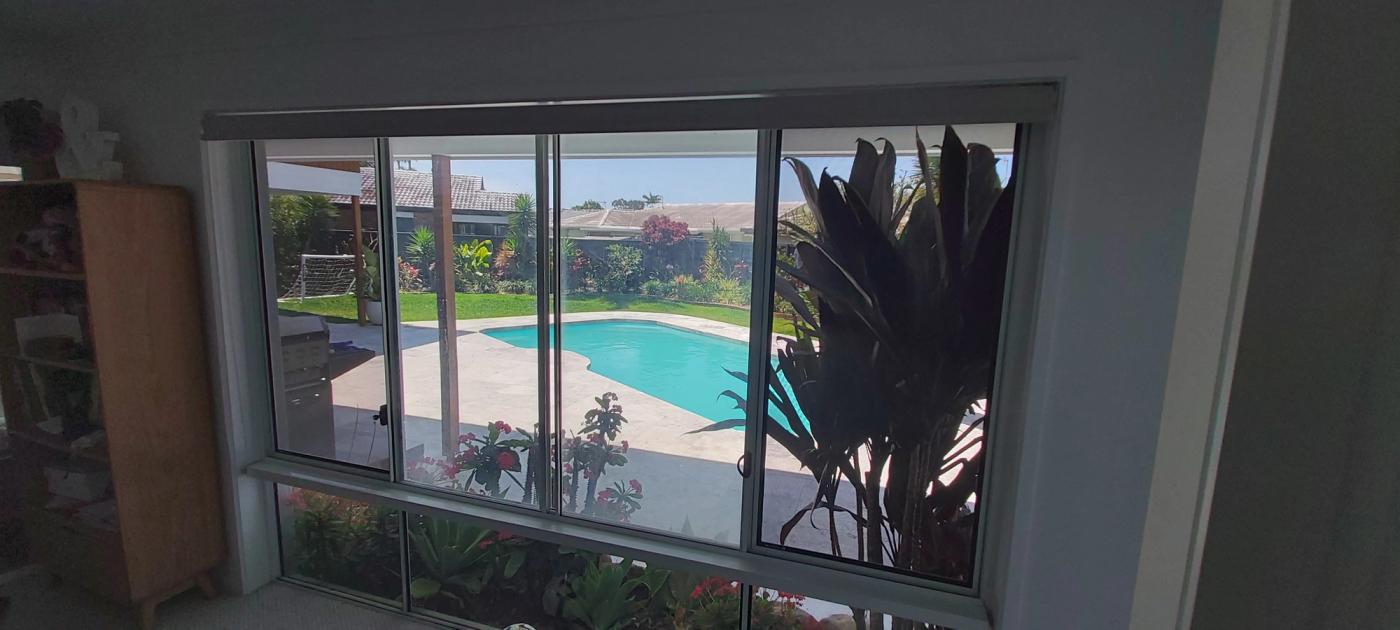
Windows on a corner block, beside a side path or facing a park are easier to reach without being seen. They're worth screening even if you don't open them often.
Upstairs bedroom windows in double-storey homes
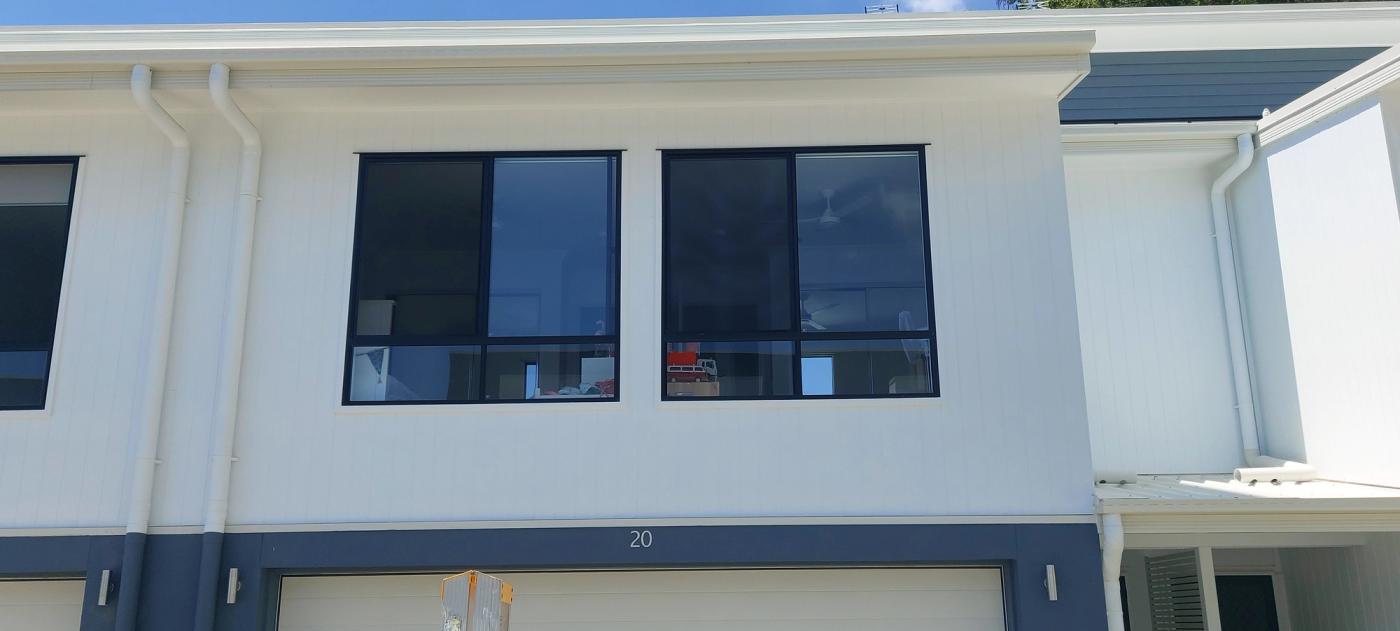
Plenty of homes in Aura are double storey, and upstairs bedroom windows raise a separate question: fall safety.
Under the National Construction Code, if a bedroom floor is 2 metres or more above the surface below, an openable window must be protected, unless the opening part starts at least 1.7 metres above the floor. The window or screen must stop a 125 mm sphere passing through and resist a 250 newton outward force. If it can be removed or unlocked, it needs a child-resistant release.
Many homes meet this with a restrictor that stops the window opening very far, which also cuts the airflow. A fall prevention screen does it differently: the window opens fully and the screen protects the opening. Look for screens certified to AS 5203:2016. Fall prevention is a child-safety product rather than a security product, so ask about it separately at your measure.
Why screening the whole home makes sense
A home is only as secure as its easiest opening. A security door on the front with flyscreens everywhere else protects one opening and leaves the rest as they were. Doing the whole house at once has practical advantages too:
- It costs less per screen. A whole-home package works out cheaper per opening than buying a one-off security door or window screen.
- No weak points. Every door and window you'd want to leave open is covered.
- Everything matches. The same frame colour and mesh on every opening.
- One measure, one install. No separate visits spread over months.
Which security screen mesh suits your home?
We offer two types of Australian made, certified security screen, and each has its own advantages. Whichever you choose, you can feel safe knowing that you have a fully certified security screen, compliant to Australian Standards.
316 stainless steel woven mesh
- Fine woven mesh that keeps views clear and lets the breeze through
- Marine-grade 316 stainless steel, suited to coastal conditions
Perforated aluminium mesh
- A strong aluminium sheet with a pattern of small perforations
- A clean, contemporary look
Which one suits depends on your doors and windows, how you use each opening, and the look you want. At your free site measure and consultation, we show you both options for your home, so you can choose with everything in front of you.
What to look for in any security screen
- Certification to AS 5039. Ask to see the certification for the exact product being quoted.
- An installer you can check. A security screen is only as strong as its installation. Look for installers who are members of the National Security Screen Association (NSSA).
- Mesh made for the coast. Marine-grade 316 stainless steel stands up to salt air and humidity.
- Frames that suit your home. Powder-coated frames can be colour-matched to your window frames, so the screens look like part of the house.
- Made to measure. Screens should be made for your actual openings, not cut down from a stock size.
Common questions
Is a whole-home package cheaper than doing one screen at a time?
Yes. Per screen, a whole-home package costs less than buying a one-off security door or window screen, and every opening is covered in a single measure and install.
Which is better, woven stainless steel or perforated aluminium mesh?
Neither is better for every home. Both are Australian made, certified security screens, compliant to AS 5039. Woven 316 stainless steel mesh is fine and keeps views clear, while perforated aluminium has a clean, contemporary look. We show you both at your free site measure.
How do I know a screen is a genuine security screen?
Ask for the product's AS 5039 certification, and check the installer is an NSSA member. A flyscreen or barrier screen can look similar but isn't built or tested to resist forced entry.
Do you install security screens in Baringa, Banya, Nirimba and Caloundra West?
Yes. We measure and install across Aura, including Baringa, Banya and Nirimba, as well as neighbouring Caloundra West and the wider Caloundra area.
Security screens across Aura and Caloundra West
Our local Sunshine Coast team installs your Australian made, NSSA certified security screens and doors in Aura, including Baringa, Banya and Nirimba, as well as neighbouring Caloundra West. The team that measures your home is the team that installs it.
If you'd like to know what your home needs, book a free site measure and consultation. We'll walk every door and window with you, show you woven stainless steel and perforated aluminium mesh options, and put together a whole-home package so your family is safe and secure in every room. Prefer to talk it through? Call us on 07 5621 0059.


